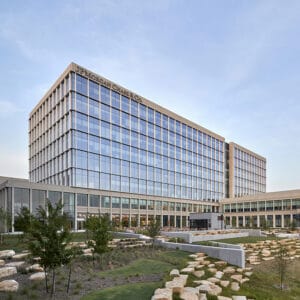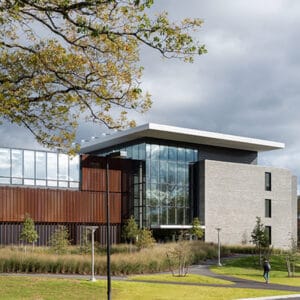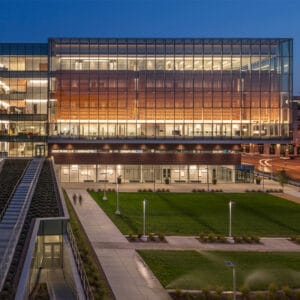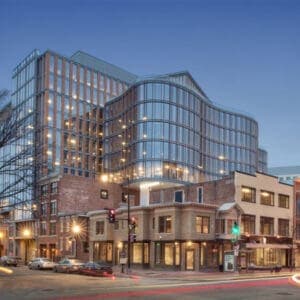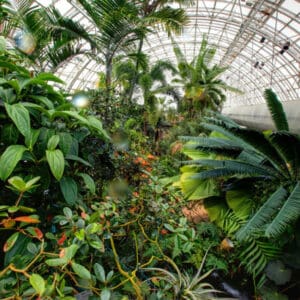
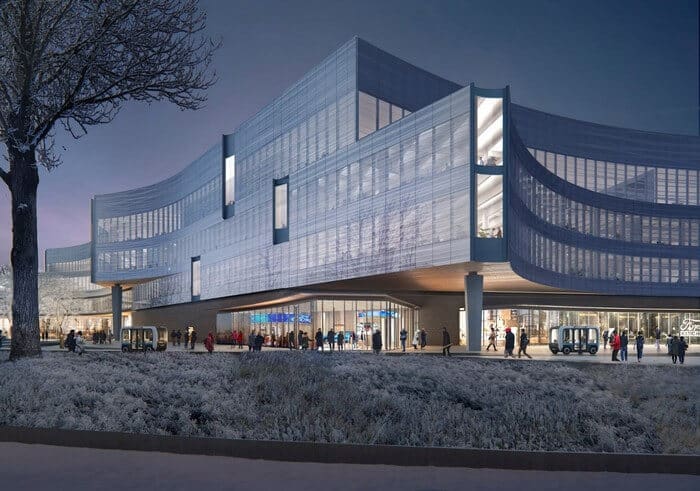
Ford Campus Building
Dearborn, Michigan
Developer: Ford Motor Company
Architect: Snøhetta
Architect of Record: IBI Group
Engineer of Record: Ghafari
Sustainability and Engineering Lead: Arup
Pro-Bel services provided: Design, Engineer, Manufacture, Inspection, Load Testing and Supply and Install
Pro-Bel's Fall Protection Solution
The project followed a three-year research and planning process and was developed in collaboration with:
- IBI Group - Architect of Record
- Ghafari - Engineer of Record
- Arup - Sustainability and Engineering Lead
The new campus supports Ford’s vision for the future of mobility technologies while also adapting to modern workplace flexibility and hybrid work environments.
A Workplace Designed for Collaboration and Innovation
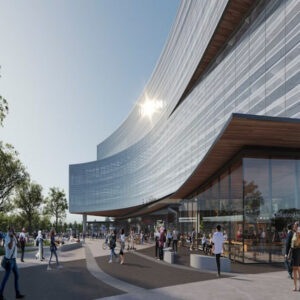
The Central Campus Building was designed to create a more connected and collaborative workplace for Ford employees.
Part of Snøhetta’s larger master plan for the R&E Campus, the building was envisioned as a shared resource where employees can collaborate, exchange ideas, and work across disciplines more efficiently.
The campus focuses on:
- Health and wellness
- Collaboration
- Product innovation
- Flexible workspaces
- Cross-functional teamwork
The new facility will accommodate approximately 6,400 employees from Ford’s engineering, design, and development teams.
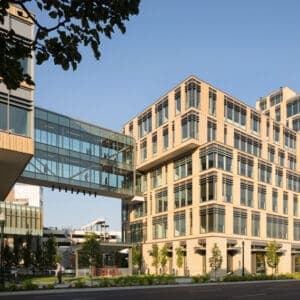
Building Features and Campus Design
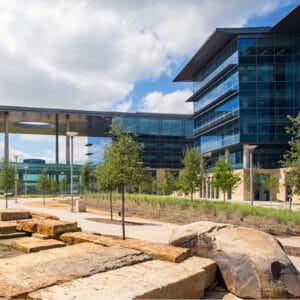
The campus combines advanced workplace technology with productive outdoor spaces.
The building includes:
- Offices
- Design studios
- Fabrication shops
- Laboratories
- Courtyards
- Public amenities
These spaces were designed to create closer connections between employees, products, and project teams.
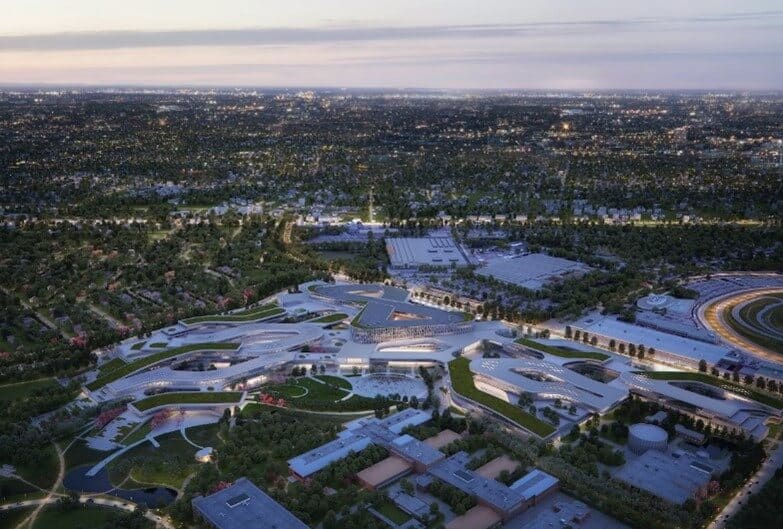
The open campus layout also creates a stronger public presence for Ford near landmarks such as:
- The Henry Ford Museum
- Greenfield Village
The landscape design includes plazas, gardens, pathways, and stormwater management systems that improve sustainability and seasonal diversity across the campus.
Pro-Bel's Fall Protection Solution
Due to the scale of this project, it’s safe to say that only two companies in North America could complete it - Pro-Bel being the first.
During the early stages of the project, Pro-Bel worked closely with:
- The owner
- Architects
- Engineers
- General contractors
- Project consultants
While reviewing the original plans, Pro-Bel identified several conflicts between the façade access system and the proposed fall protection layout.
The fall protection system was not fully coordinated with the davit system design specified by the consulting engineer.
Rather than simply supplying equipment based on the plans, Pro-Bel proposed redesigning the fall protection system to integrate properly with the façade access system.
This transformed the project into a full design and engineering contract.
Pro-Bel's Fall Protection Solution
However, fall protection was completely different. Through our initial analysis, we noticed a need that we could fill and provide value to the project rather than simply pricing what was on the plans.
We pointed out that the fall protection, a separate system on the architectural plans from the façade access, had numerous design conflicts and was not congruent with the Davit Design.
The fall protection was not designed properly. We proposed that Pro-Bel design the fall protection system and bring it together with the davit system for façade access. With that in mind, Pro-Bel initiated the project as a design and engineering contract.
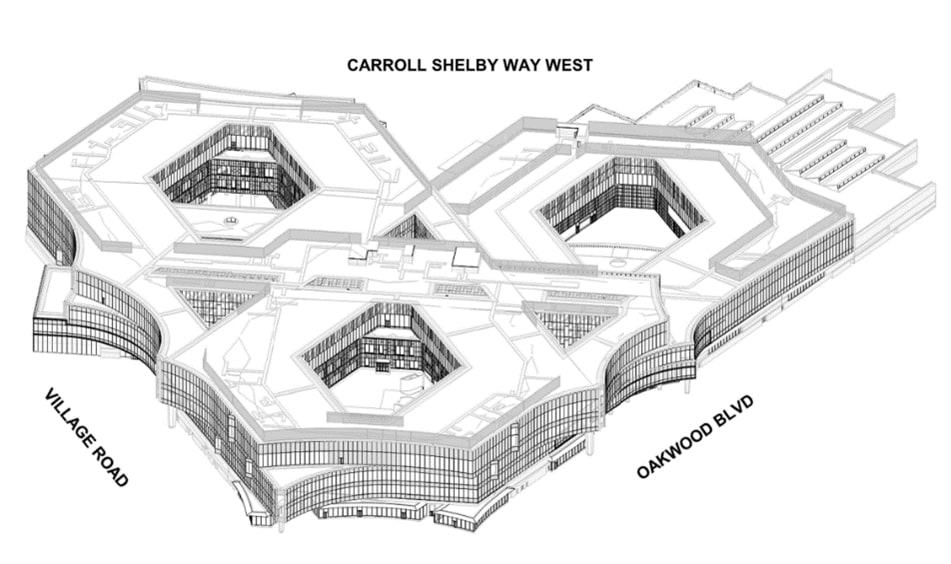
The roof layout was divided into 35 separate sectors, creating a highly complex series of interconnected roof areas.
Each section required continuous fall protection coverage using a horizontal lifeline system.
Designing the concept layout alone took nearly three weeks due to the complexity of the roof configuration and the need to maintain uninterrupted worker protection across all sectors.
Following the design phase, Pro-Bel supplied the full equipment proposal, resulting in a major project change order.
Manufacturing and Installation Coordination
This became the largest-value project in Pro-Bel’s history, excluding building maintenance units (BMUs).
To improve efficiency and reduce costs, Pro-Bel partnered with a new manufacturer and saved approximately $95,000 on bulk davit base manufacturing.
To help maintain the construction schedule, Pro-Bel coordinated closely with the general contractor and steel erector.
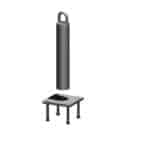
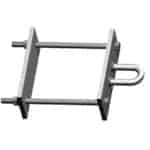
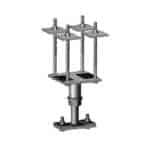
Pro-Bel supplied davit pedestals designed to provide mounting plates above the roof structure. These pedestals were installed by the general contractor’s self-performing trades, helping reduce scheduling risks and installation delays.
Custom Davit and Monorail Systems
The davit system required a custom 1,300 lb load design to support the suspension of 600 lb glass panels.
The project also included:
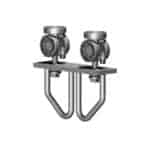
- Interior monorail systems at skylights
- Atrium monorail systems
- Access hatches within parapet walls
- Specialized suspended access equipment
The skylight monorail system is accessed through hatches located within the parapet walls, while the atrium monorail system is accessed using small aerial lifts from the floor levels below.
Because monorail installation requires specialized training, Pro-Bel self-performed the installation work.
Final Installation and Testing
Additional on-site work included:
- Visual inspections
- Static load testing
- Permanent equipment testing
- Installation of 10,146 feet of horizontal lifeline cable
Due to the scale and technical complexity of the project, Pro-Bel managed a dedicated special operations team outside of standard operations to ensure successful execution.