Showing 1–12 of 25 results
-
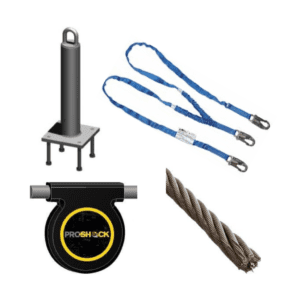
Double Lanyard HLL (6)
-
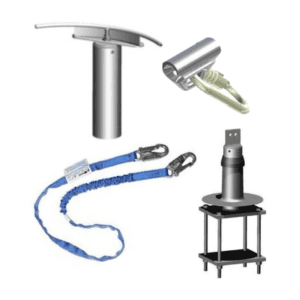
Hands-Free HLL (20)
-
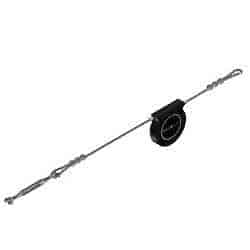

Horizontal Lifeline Systems for Rooftop Fall Protection
Horizontal lifeline systems help protect workers who needs to be continuously tied-off while moving across rooftops and other elevated work areas. These systems are commonly used where multiple anchor points would otherwise be required and are designed to support safe horizontal movement near leading edges. The two main types of horizontal lifeline systems are Double lanyard and Hands-Free. These systems are used as fall restraints or arrest mechanisms for workers who must approach within 6 feet of a roof edge. The cable is connected to secure anchor points, allowing workers to traverse the area the system covers freely.
- Our engineered systems allow workers to move safely across rooftops and elevated work areas while remaining connected to a secure anchorage system.
- Our horizontal cable lifeline systems are designed to support safe horizontal mobility near vertical drops while maintaining full compliance with industry safety standards.
- A stainless steel cable lifeline system can employ a runner that follows the worker along the cable and mechanically bypasses intermediate brackets without disconnecting.
Types of Horizontal Lifeline Systems
- Permanent Horizontal Lifeline Systems
- Self-Retracting Lifelines
- Overhead Horizontal Lifelines
Applications of Horizontal Lifeline Systems
- Rooftops for building maintenance and service access
- Bridges and elevated infrastructure where workers move along horizontal paths
- Industrial plants where personnel must work near fall hazards
Horizontal Lifeline System Design and Compliance
Horizontal lifeline systems must be designed and installed to meet specific building conditions and fall protection requirements. These systems must support the forces generated during a fall event and ensure that workers remain protected while moving across the work area. Proper system design ensures that horizontal lifeline systems provide reliable fall protection while maintaining safe worker mobility across rooftops and other elevated work environments.
Frequently Asked Questions
Where are horizontal lifeline systems used?
Horizontal lifeline systems are commonly used on rooftops, bridges, industrial facilities, and other elevated work areas where workers need safe horizontal mobility near fall hazards.
Do horizontal lifeline systems have the same fall protection requirements?
No. The fall protection requirements depend on the system design and factors such as the material of the lifeline and the length of the system. Horizontal lifelines (HLL) must be designed, installed, and used under the supervision of a qualified person as part of a complete personal fall arrest system with a minimum 2:1 safety factor.
How often do horizontal lifelines need to be inspected?
Horizontal lifelines (HLLs) must be inspected by a competent person at least annually (every 12 months) to comply with ANSI standards and OSHA requirements. Regular inspections help keep workers safe and ensure the system remains compliant with safety regulations.
Can horizontal lifeline systems be used for rooftop fall protection?
Yes. Horizontal lifeline systems are commonly used for rooftop fall protection where workers need continuous connection while performing maintenance, inspections, or service work near roof edges.