



Overview of the New OSHA Fall Protection Standards
OSHA updated its walking-working surfaces and personal fall protection standards under 29 CFR Part 1910.
These updates help reduce workplace falls, injuries, and fatalities associated with suspended access work and window cleaning operations.
The final rule includes new requirements related to:
- Rope descent systems (RDS)
- Fixed ladders
- Fall protection systems
- Anchor inspections and certifications
- Building owner responsibilities
The rule became effective on January 17, 2017, although some requirements have later compliance deadlines.
Key Changes Affecting Building Owners
The updated standards place greater responsibility on building owners and property managers.
Building owners are now responsible for:
-
Identifying anchorages
-
Inspecting and testing anchor systems
-
Certifying anchorages
-
Maintaining anchorage systems
-
Re-certifying anchorages as required, at least every 10 years
These requirements apply to both new and existing buildings.
Building Owners’ Responsibilities for Anchorage Safety
In developing the final rule, the agency determined that building owners must take responsibility for anchorage systems used for rope descent systems.
Building owners must provide written documentation confirming the anchorage system has been:
- Identified
- Inspected
- Tested
- Certified
- Properly maintained
This information must be provided to employers and contractors before workers use the system.
Employers must receive written certification before workers use an anchorage.
The certification must confirm that the anchorage can support at least 5,000 pounds per worker.
Employers must also keep this written information for the duration of the job.
Certification and Qualified Personnel Requirements
The updated rule emphasizes that anchor systems must be inspected and certified by a qualified person.
“OSHA defines a qualified person as someone with the training, experience, and expertise to inspect and certify fall protection systems safely.”
This helps ensure inspections are completed by properly trained professionals.
Alignment with Construction Scaffold Standards
The final rule aligns general industry requirements with existing construction scaffold standards under 29 CFR 1926(L).
OSHA defines a scaffold as a temporary elevated or suspended platform used to support workers, equipment, and materials.
These updates help create more consistency between construction and general industry safety standards.
Rope Descent Systems and Anchorage Certification
OSHA also recognized that its powered platforms standard already includes similar anchorage requirements.
Under the final rule, employers cannot allow workers to use an anchorage unless they receive written certification confirming that the anchorage can support at least 5,000 pounds.
Employers cannot attach rope descent systems to uncertified structures or alternative anchor points.
Maintaining Safety Standards on the Job Site
Written anchorage documentation helps employers maintain safer job sites.
This information helps employers:
- Inform workers about certified anchorages
- Manage shift changes
- Bring new workers onto the site safely
- Handle supervisor changes during the project
The final rule requires employers to retain all anchorage documentation for the duration of the job.
Building owners and employers were given one year from November 18, 2016, to comply with these requirements.
OSHA’s RDS Height Limit and Safety Protocols
The agency also addressed several important safety concerns related to rope descent systems.
These include:
- Maximum RDS height limits
- Proper rigging methods
- Use of suction cups for stabilization
- Tool lanyards to prevent dropped objects
The agency retained the RDS height limit because it aligns with the ANSI I-14.1 standard.
OSHA's Requirements for Rigging and Tiebacks
OSHA believes proper rigging is essential for worker safety when using rope descent systems.
The agency emphasizes the importance of proper tieback systems when using:
- Counterweights
- Cornice hooks
- Non-permanent anchorages
Some situations may require opposing tiebacks or specific sag angles to improve system stability and worker safety.
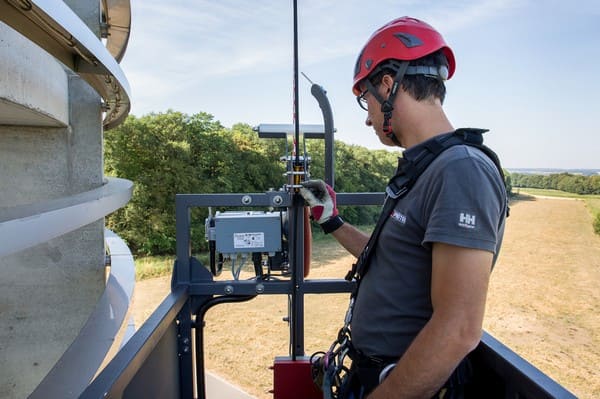
Personal Fall Arrest Systems and Their Role in Safety
The final rule also formalizes OSHA’s 1991 memorandum regarding rope descent systems.
These systems are commonly used for suspended access work, including window cleaning.
OSHA defines a personal fall arrest system as:
A personal fall arrest system is designed to stop a worker safely during a fall.
A personal fall arrest system typically includes:
- An anchorage
- A connector
- A body harness
- A lanyard or lifeline when required
The Importance of Independent Personal Fall Arrest Systems
Independent personal fall arrest systems are critical because they continue protecting workers even if the rope descent system fails.
This added layer of protection helps reduce the risk of serious injury or death caused by:
- Anchorage failure
- Support line failure
- Main device failure
- Seat board failure
Proper Use of Suction Cups and Tool Lanyards
Suction cups are widely used to stabilize rope descent systems.
The agency notes that these devices have a long track record of practical and economical use in the industry.
OSHA also encourages the use of tool lanyards and securing devices to prevent tools and equipment from falling and injuring people below.
Workers may secure tools to:
- Wrist straps
- Tool belts
- Harnesses
- Seat boards
Advances in Technology and Industry Best Practices
The updated rule reflects advances in technology and modern industry safety practices.
The regulation updates standards related to:
- Slip hazards
- Trip hazards
- Fall hazards
- Personal fall protection systems
OSHA estimates that these changes will help prevent:
- 29 fatalities annually
- 5,842 lost-workday injuries each year
Key Takeaways for Building Owners
The updated rule requires employers to protect workers exposed to fall hazards at least four feet above a lower level.
The regulation also establishes fall protection requirements for areas such as:
- Hoist areas
- Runways
- Wall openings
- Repair pits
- Stairways
- Scaffolds
- Slaughtering platforms
The final rule also formalizes OSHA’s 1991 memorandum permitting the use of rope descent systems for suspended access work, including window cleaning.
In addition, the rule requires training for workers who use fall protection systems or perform work in high-hazard environments.
OSHA Compliance Deadlines
| Requirement | Deadline |
|---|---|
| Final rule effective date | January 17, 2017 |
| Fall hazard training | 6 months |
| Equipment training | 6 months |
| Anchorage inspection and certification | 1 year |
| New ladder safety systems | 2 years |
| Existing ladder compliance | 2 years |
| Replacement of cages and wells | 20 years |
Share this Post